Self-Care (Not Selfish)
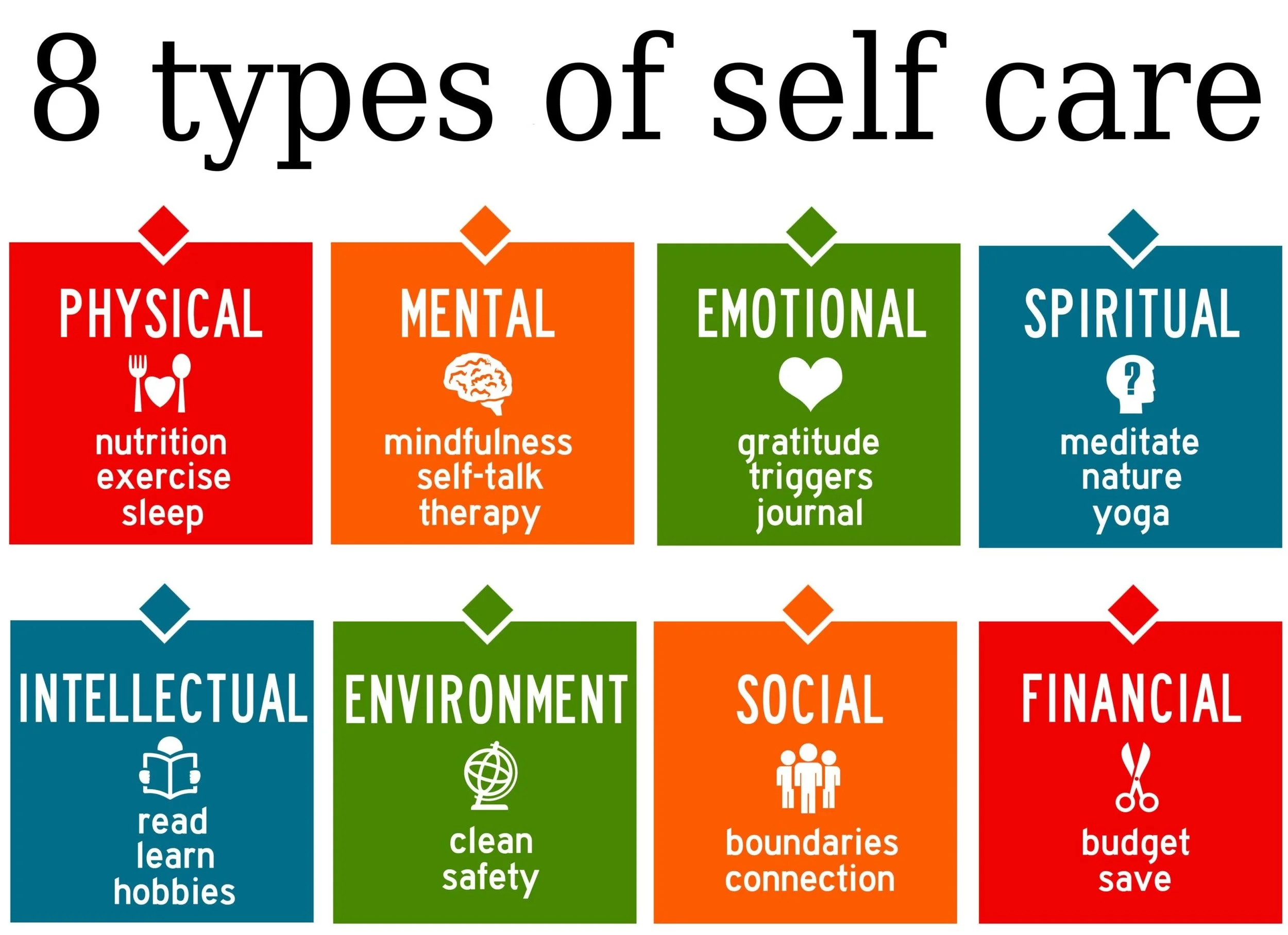
Self-care is often misunderstood.
People hear the phrase and immediately think of luxury, indulgence, or something optional — something people do only when they have extra time or extra money.
But real self-care is much more basic than that.
It is hygiene.
It is grooming.
It is clean clothes.
It is sleep.
It is maintaining your living space.
It is eating consistently.
It is taking care of your health.
It is maintaining your transportation.
It is paying attention to the small daily routines that keep life from slowly falling apart.
At RISS, self-care is not treated as vanity or an extra.
It is treated as part of stability infrastructure.
The First Thing People Cut
When people are under stress, overwhelmed, financially unstable, depressed, exhausted, or simply trying to survive, self-care is often one of the first things to disappear.
Haircuts get delayed.
Laundry piles up.
Vehicles go unwashed.
Rooms become disorganized.
Medical appointments are postponed.
Sleep schedules collapse.
Nutrition deteriorates.
People stop taking pride in their surroundings and eventually stop taking pride in themselves.
Not because they do not care.
Because survival mode narrows a person’s bandwidth.
Over time, those small forms of neglect start reinforcing each other. The external environment begins reflecting the internal stress someone is carrying, and eventually the environment itself starts contributing to the instability.
That process can happen quietly and gradually.
And once it starts, it often cascades.
Environment Affects Behavior
One of the central ideas behind RISS is simple:
The environments people live in affect how they function.
That includes physical environments, social environments, emotional environments, and even the condition of the personal spaces people move through every day.
A person who wakes up in a clean room, puts on clean clothes, gets into a clean vehicle, and moves through organized, maintained spaces often feels different psychologically than someone surrounded by constant disorder and deterioration.
That does not magically solve trauma, poverty, addiction, or instability.
But it does affect stress, motivation, confidence, emotional regulation, social engagement, and personal discipline in ways that are very real.
RISS is intentionally designed around that reality.
Self-Care Is Connected to Dignity
Many people coming out of incarceration have spent years in environments where personal identity, privacy, comfort, and individual expression were heavily restricted or degraded.
Rebuilding stability includes rebuilding dignity.
That means creating an environment where residents are encouraged to care for themselves, their clothing, their rooms, their transportation, their appearance, and their physical and mental well-being without shame or ridicule.
It also means recognizing that these things are interconnected.
Someone who begins consistently maintaining themselves physically often starts rebuilding confidence in other areas of life as well:
employment,
relationships,
education,
social interaction,
responsibility,
and long-term planning.
Self-Care Is Not Separate From Workforce Readiness
Professional presentation matters.
Cleanliness matters.
Reliability matters.
Confidence matters.
The ability to maintain routines matters.
RISS does not separate those realities from employment readiness because real life does not separate them either.
A resident preparing for work should have access to the infrastructure necessary to function professionally and consistently:
grooming resources,
laundry access,
transportation support,
stable living conditions,
health resources,
and environments that support organization rather than chaos.
Self-care is part of workforce preparation because functioning adults require functioning systems around them.
Breaking the Cascade Early
One of the goals of the RISS campus design is to interrupt small forms of instability before they become major crises.
Because many life collapses do not begin with catastrophic moments.
They begin with accumulation.
Neglected health.
Neglected transportation.
Neglected living spaces.
Neglected routines.
Neglected sleep.
Neglected maintenance.
Neglected stress.
Over time, these layers compound until a person feels overwhelmed by problems that originally started as manageable.
RISS is designed to help residents rebuild stability before those accumulations spiral into larger failures.
A Different Understanding of Reentry
Traditional reentry systems often focus almost entirely on crisis response:
emergency housing,
emergency employment,
emergency intervention,
emergency treatment.
Those services matter.
But long-term stability is usually built through daily life patterns that appear small from the outside:
structure,
routine,
consistency,
maintenance,
dignity,
and self-respect.
That is why RISS treats self-care as infrastructure instead of an afterthought.
Because rebuilding a stable life is not only about surviving.
It is also about learning how to function, maintain, organize, and care for yourself consistently over time.
If you believe reintegration should be built intentionally, not reactively, we invite you to explore how you can help bring the RISS model to life.