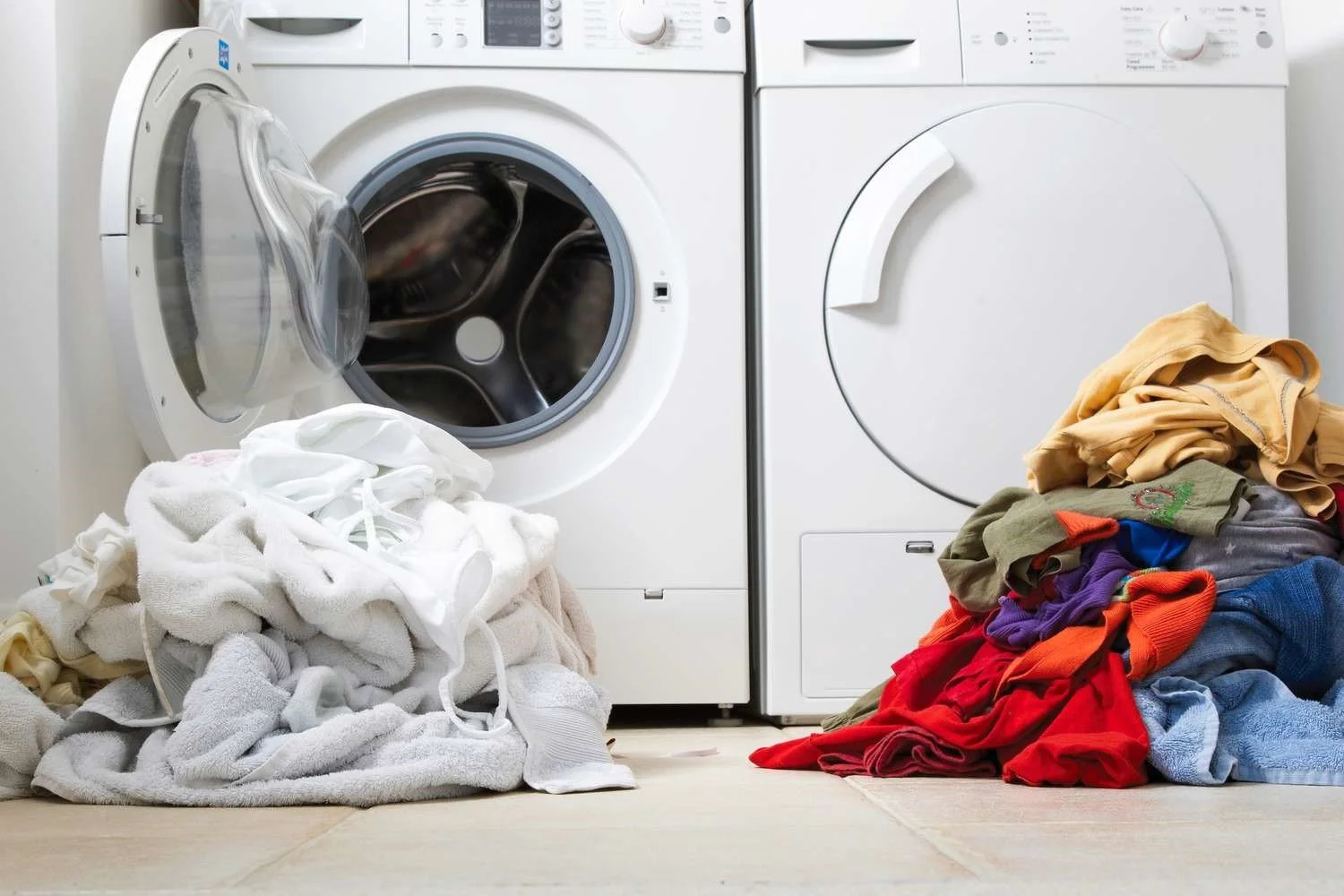
Clean clothes are a basic part of functioning life.
They affect hygiene, confidence, professional presentation, comfort, and self-respect. They also affect how people are perceived in workplaces, classrooms, public settings, and social environments.
Yet in many reentry and transitional housing environments, laundry access becomes another financial burden placed on residents.
Coin-operated machines, limited access, broken equipment, transportation barriers, and additional weekly costs may seem minor individually, but for someone rebuilding stability with limited income, those costs add up quickly.
RISS is designed differently.
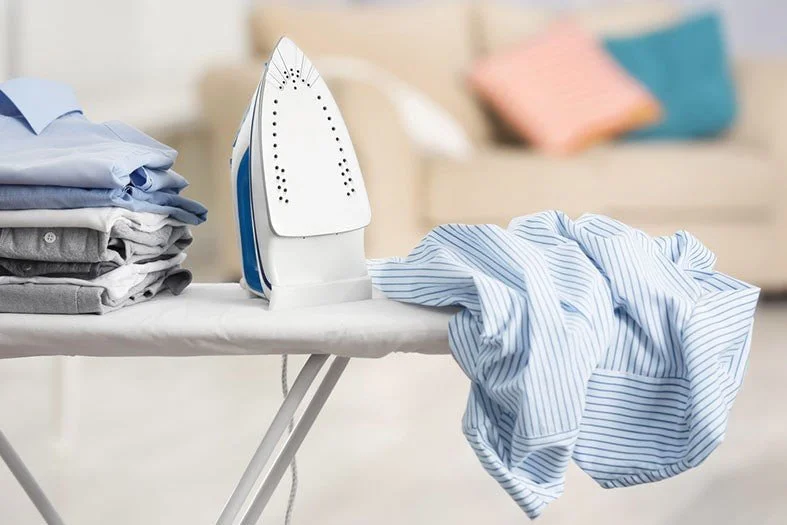
Each resident housing building will include washers and dryers available for resident use, along with shared irons and ironing boards to support both daily living and workforce presentation needs.
This is intentional.
Self-Care Includes Daily Maintenance
Laundry is one of those ordinary parts of life that people rarely think about until access becomes difficult.
But clean clothing matters psychologically and socially.
The ability to consistently wash clothes, maintain bedding, press work attire, and take care of personal belongings helps reinforce routine, organization, dignity, and self-discipline. These are small but important habits connected to long-term stability.
At RISS, self-care is treated as infrastructure, not luxury.
Laundry access is part of that philosophy.
Reducing Financial Pressure
For residents trying to rebuild their lives, every recurring expense matters.
Pay-to-use laundry systems may not seem significant to people with stable income, but repeated small costs can become another layer of stress and another reason basic self-care gets delayed or neglected.
RISS is intentionally designed to reduce avoidable financial pressure where possible so residents can focus on building stability rather than constantly falling behind on minor survival expenses.
Workforce Readiness & Presentation
Clean, maintained clothing is also part of workforce readiness.
Residents preparing for interviews, employment, educational opportunities, volunteer roles, or community engagement should have access to the tools necessary to present themselves professionally and confidently.
That includes something as basic as being able to wash and iron clothes consistently.
Building Normalcy
Part of rebuilding life after incarceration is rebuilding ordinary routines.
Doing laundry in your own residential building.
Ironing clothes before work.
Maintaining your living environment.
Managing personal responsibilities consistently.
These things may sound simple, but they help restore independence, structure, and a sense of normal daily life that many people have lost during long periods of instability or institutionalization.
RISS is designed to support those routines intentionally.
Laundry & Daily Living Stability
If you believe reintegration should be built intentionally, not reactively, we invite you to explore how you can help bring the RISS model to life.