Grooming & Personal Presentation
A haircut is not just a haircut.
For someone rebuilding their life after incarceration, basic grooming can affect confidence, dignity, employment readiness, social comfort, and the way they are received by the world around them.
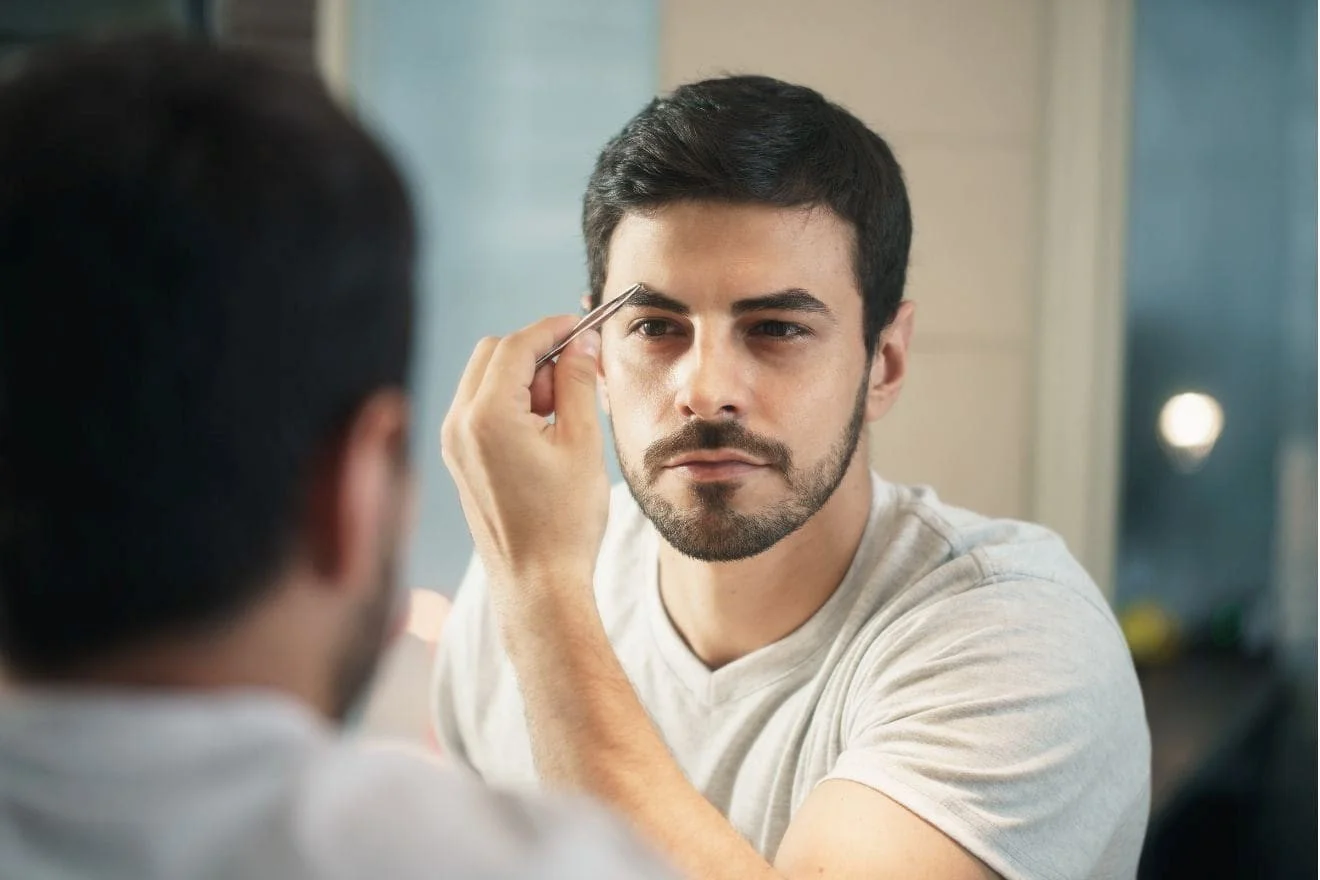
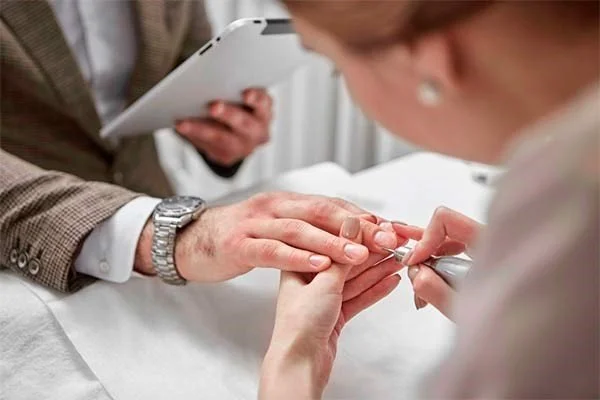
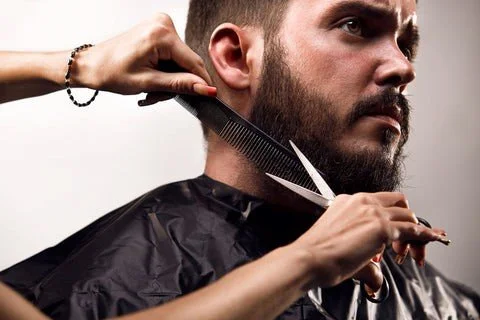
RISS will include a barber shop and men’s grooming space inside the administrative building, offering residents access to basic grooming services at no charge whenever possible. This may include haircuts, beard grooming, nail care, and eyebrow threading through outside service providers, volunteers, and, over time, trained residents who may be interested in developing grooming-related skills.
This is not about vanity.
It is about helping residents feel prepared to walk into a job interview, meet with a case manager, attend a class, speak with family, participate in community life, or simply look in the mirror and recognize themselves with dignity.
Why Grooming Matters
When money is tight, grooming is often one of the first costs people cut.
Haircuts get delayed. Beards go unmanaged. Nails are ignored. Small details of personal presentation start to slip, not because someone does not care, but because the money has to go somewhere else first.
That may seem minor from the outside. It is not.
For a person trying to rebuild stability, those small cuts can become part of a larger cycle. When someone does not feel presentable, they may avoid interviews, social settings, community events, or professional opportunities. When they are judged by appearance before they ever get to speak, the barrier becomes even harder.
RISS is designed to remove those unnecessary barriers before they compound.
Self-Care as Stability
Self-care is not separate from reentry.
It is part of stability.
Regular grooming helps restore routine, confidence, and personal discipline. It reinforces the idea that residents are worth care, attention, and investment. It also supports the broader RISS focus on rebuilding identity after incarceration — not through slogans, but through daily practices that help a person carry themselves differently.
The goal is simple: residents should not have to choose between looking presentable and paying for food, transportation, phone service, or other basic needs.
Workforce Presentation
Employment readiness is not only about resumes, training, and job openings.
It is also about walking into the room prepared.
A clean haircut, maintained facial hair, trimmed nails, and overall grooming can affect how someone is perceived in an interview, at work, or in customer-facing settings. That does not mean appearance should matter more than ability. It means we recognize the reality that presentation often shapes first impressions.
RISS is not going to pretend that does not matter.
If residents are being prepared for real jobs and real opportunities, then grooming and personal presentation belong inside the workforce readiness structure.
Building Skills Over Time
Initially, the grooming space may rely on outside providers and community partners willing to serve residents directly.
Over time, RISS may also develop pathways for residents interested in learning grooming-related skills, whether through informal training, partnerships, apprenticeships, or future professional licensing pathways where appropriate.
That creates another layer of value: residents receiving services, residents learning skills, and the campus becoming a place where practical care and workforce development reinforce each other.
Part of the Larger RISS Design
The grooming shop is one more example of how RISS treats the details of daily life as part of the infrastructure of reentry.
A stable person needs more than a bed and a rulebook.
They need access to the ordinary supports that help people function: clean clothes, transportation, health care, food, community, education, work, and the ability to present themselves with dignity.
Grooming belongs in that structure.
Not as a luxury.
As part of rebuilding.
If you believe reintegration should be built intentionally, not reactively, we invite you to explore how you can help bring the RISS model to life.