Vehicle Care & Personal Stability
Transportation is not just about getting from one place to another.
For many people rebuilding their lives after incarceration, a vehicle becomes one of the first truly independent spaces they have had in years. It may be where they decompress after work, prepare mentally before an interview, listen to music alone, organize their thoughts, or simply experience privacy and control over their environment again.
That matters more than most people realize.
Because of that, RISS treats vehicle care as part of self-care, personal stability, and workforce readiness — not as an afterthought.
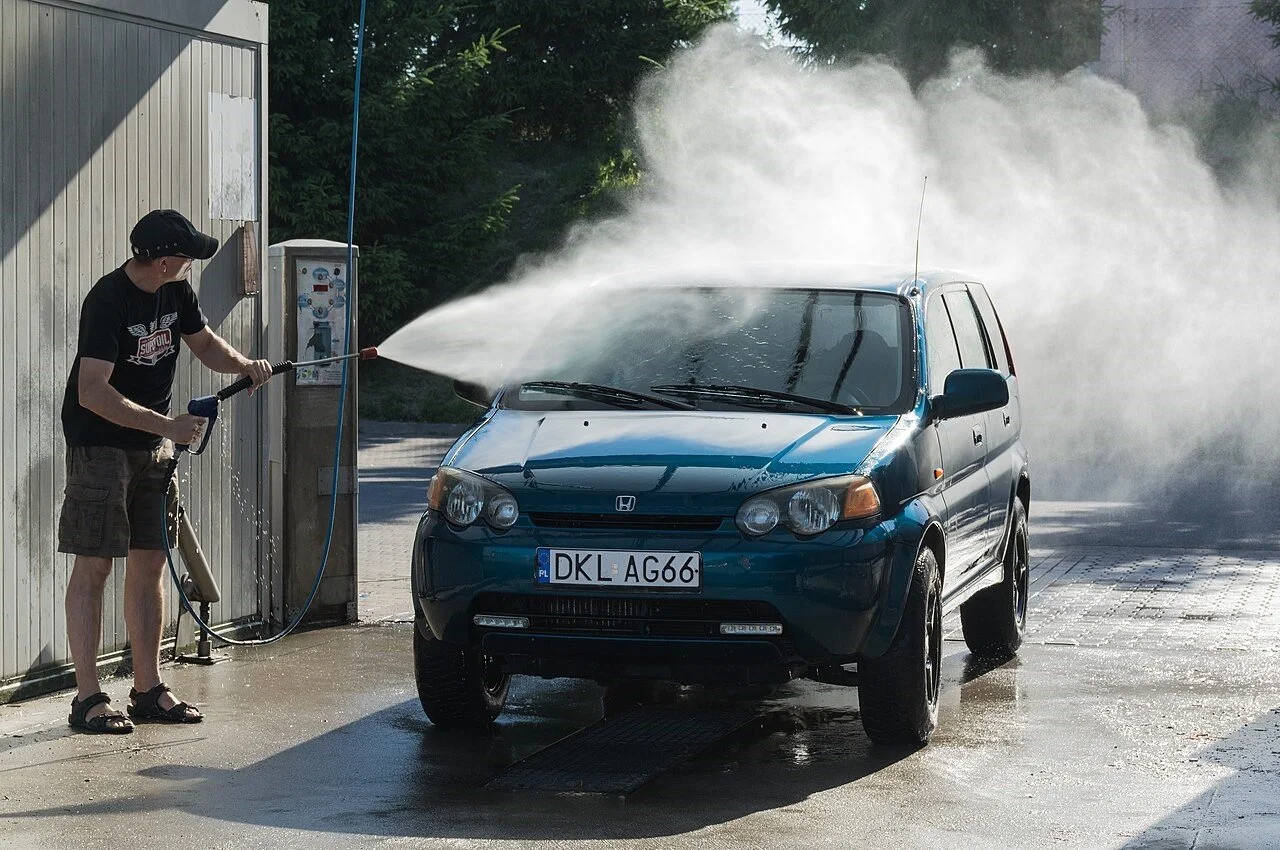
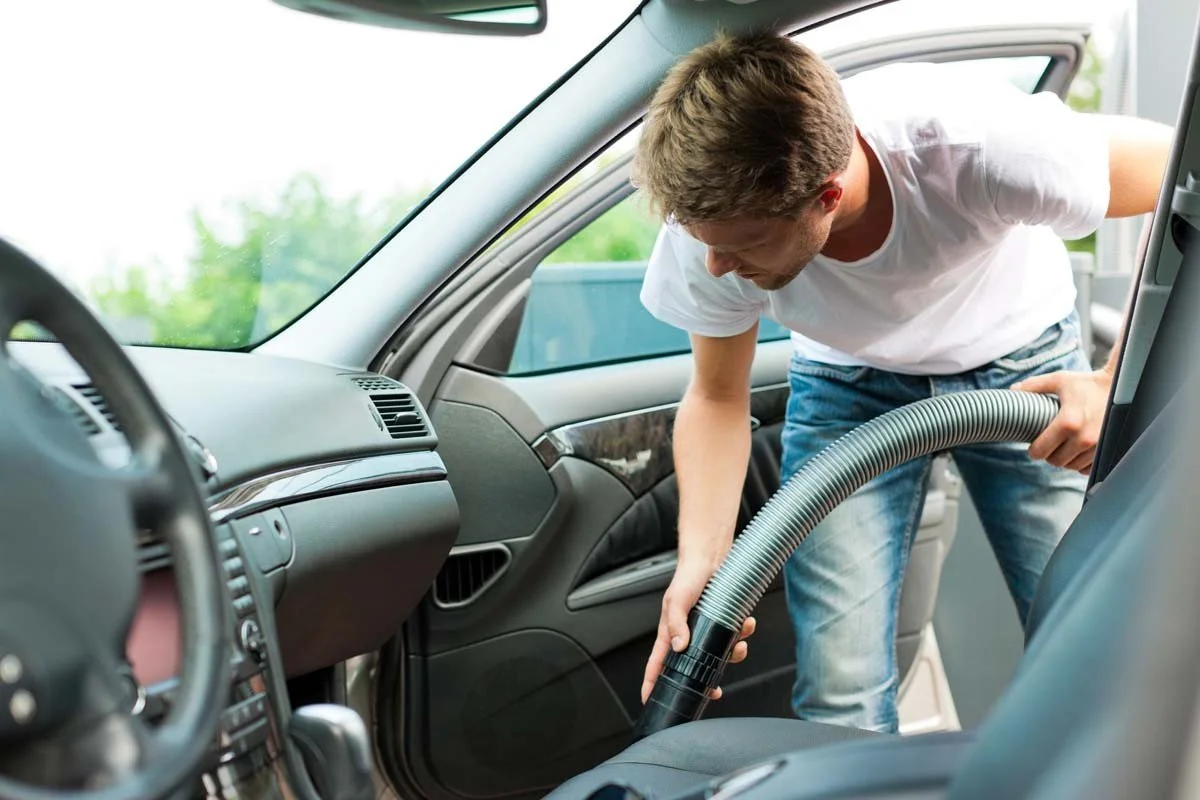
Throughout the campus parking areas, residents will have access to vacuum stations, air pressure stations, and window washing stations designed to make basic vehicle upkeep easy and accessible. The campus will also include dedicated car wash bays that transition into mechanical work bays specifically intended for resident use.
This is practical infrastructure.
But it is also something deeper than that.
The Psychology of a Clean Space
Most people understand the feeling without even thinking about it.
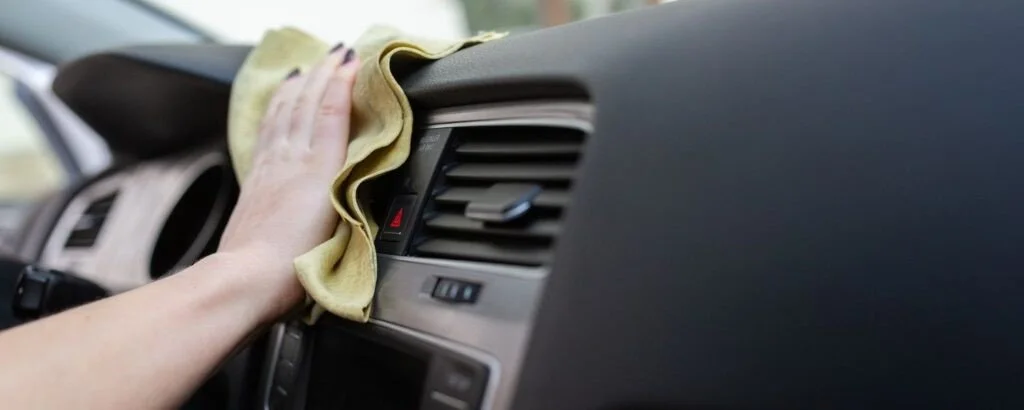
A clean dashboard. Vacuumed seats. Clear windows. No trash piled up in the passenger floorboard. No fast-food bags shoved into the backseat. The simple feeling of getting into a clean vehicle before work in the morning.
That affects people psychologically.
When a vehicle is neglected long enough, it often reflects a larger instability happening elsewhere in life. Not because someone is lazy or irresponsible, but because exhaustion, stress, financial pressure, depression, survival mode, and constant instability start narrowing what feels manageable.
Vehicle upkeep is one of the first things people cut when money gets tight.
Car washes stop happening. Maintenance gets delayed. Tires go unchecked. Interiors slowly deteriorate. Small problems become larger problems. The environment around a person starts reinforcing stress instead of reducing it.
And once that process starts, it can cascade.
A broken taillight becomes a ticket. Worn tires become a safety issue. A neglected interior becomes another reminder that life feels out of control. Mechanical problems become missed work. Missed work becomes financial instability. Financial instability compounds everything else.
RISS is designed to interrupt those cascades early.
Self-Care Includes the Spaces Around You
At RISS, self-care is not limited to hygiene, counseling, or physical health.
It includes the environments people move through every day.
A resident who learns to maintain their living space, workspace, clothing, bicycle, or vehicle is rebuilding routines tied to stability and self-respect. Those habits matter because they reinforce consistency, accountability, pride, and emotional grounding.
Vehicle care becomes part of that larger structure.
Not because everyone needs a perfect car.
But because maintaining the things connected to your daily life affects how you feel, how you function, and how prepared you are to engage with the world.
Workforce Readiness & Reliability
Reliable transportation is directly connected to employment stability.
Missed shifts, unreliable vehicles, preventable breakdowns, poor tire maintenance, dead batteries, and ignored warning signs can quickly destabilize someone trying to rebuild momentum. For residents working long hours or commuting across Central Texas, small vehicle problems can become major life problems surprisingly fast.
By making basic upkeep accessible on campus, RISS helps residents protect one of the most important assets many of them will own.
The goal is not luxury.
The goal is reducing avoidable instability.
Resident Access Auto Repair & Carwash Bays
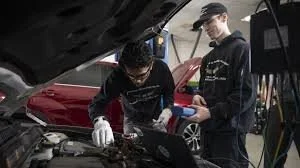
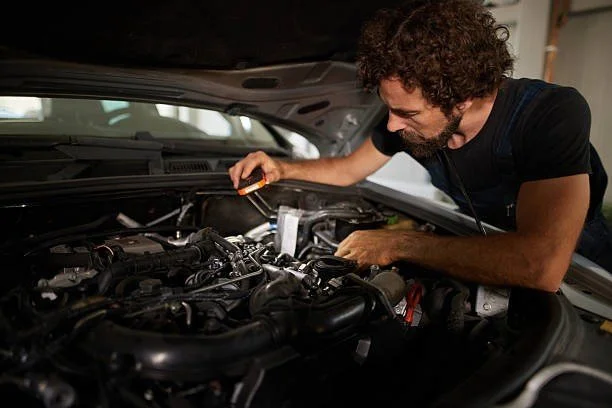
The campus design includes two dedicated repair bays and two dedicated car wash bays.
These spaces are intended to support:
Basic maintenance and upkeep
Learning practical mechanical skills
Peer assistance and collaborative problem solving
Preventative maintenance culture
Cost reduction for residents
Vehicle reliability and safety
Long term, these bays may also support educational opportunities, volunteer-led workshops, or supervised skill-building related to automotive maintenance and repair.
For many residents, learning even basic maintenance skills — checking fluids, changing brakes, replacing filters, understanding warning signs — can reduce long-term costs and increase confidence dramatically.
Opportunities for Side Work & Supplemental Income
The vehicle care areas are also intentionally designed with economic opportunity in mind.
Residents with detailing experience, mechanical knowledge, or automotive skills may be able to earn supplemental income through side work, detailing assistance, minor repairs, interior cleaning, or maintenance support for other residents and eventually potentially for the public through structured workforce operations.
That matters because rebuilding stability is not only about employment placement.
It is also about rebuilding economic confidence, practical competency, and the ability to generate income through useful skills.
Infrastructure That Reflects Real Life
Many reentry systems focus only on the major crises.
Housing.
Employment.
Counseling.
Case management.
Those things matter.
But life is also built out of smaller daily realities that affect stress, dignity, confidence, and stability over time.
A clean vehicle.
Reliable tires.
Working air pressure stations.
Accessible vacuums.
A place to wash your car without spending money you do not have.
A mechanic bay where someone can help you before a small problem becomes a disaster.
Those things are not separate from reentry.
They are part of the infrastructure of functioning life.
And RISS is being designed to recognize that reality from the beginning.
If you believe reintegration should be built intentionally, not reactively, we invite you to explore how you can help bring the RISS model to life.