Transportation
Transportation Is Not a Side Issue
For many people coming home from incarceration, transportation is one of the first major failure points.
A person can be ready to work, ready to report, ready to attend required classes, ready to show up for medical appointments, ready to rebuild their life — and still fail because they cannot reliably get where they are supposed to be.
That is not a small inconvenience. It can cost someone a job. It can cause missed parole appointments. It can interrupt treatment. It can create violations. It can turn one missed ride into a chain reaction of consequences.
At RISS, transportation is treated as core reentry infrastructure.
Not an afterthought.
Not a favor.
Not something residents are expected to magically figure out on their own.
If stability requires people to show up consistently, then the campus has to be designed to support consistent movement.
Shuttle Service
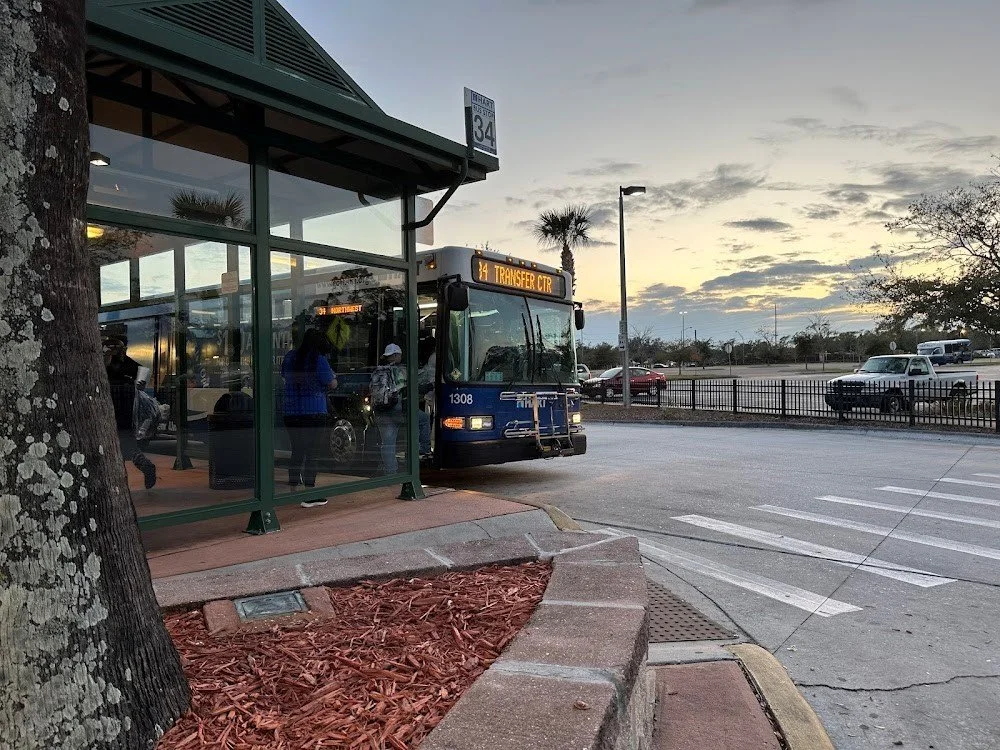
RISS will operate structured shuttle service throughout the day, with specific routes, stops, and times.
Morning shuttle service will include two shuttles:
One shuttle beginning runs at 5:30 a.m. and operating for four hours.
A second shuttle beginning runs at 7:30 a.m. and operating for four hours.
Limited shuttle service will operate between 11:30 a.m. and 3:30 p.m.
Evening shuttle service will include two shuttles:
One shuttle beginning runs at 3:30 p.m. and operating for four hours.
A second shuttle beginning runs at 5:30 p.m. and operating for four hours.
Limited late shuttle service will operate from 9:30 p.m. to 12:30 a.m.
Residents who need transportation to work, and only to work, before 5:30 a.m. or after 12:30 a.m. may be considered on a case-by-case basis.
Planned Shuttle Stops
Shuttle routes will be built around the places residents most consistently need to access, including:
Transit hubs.
Parole offices.
Required class locations for parolees.
Major shopping centers.
Other essential destinations may be added as operational needs become clear.
The goal is not random transportation. The goal is dependable, predictable transportation that supports employment, supervision requirements, daily necessities, and long-term stability.
Public Transit Support
RISS will also provide access to free bus tickets or passes when needed.
These may include daily, weekly, or monthly passes depending on the resident’s schedule, work location, appointments, and transportation plan.
Public transit access matters because the shuttle system is not meant to replace every form of transportation. It is one layer in a broader transportation structure.
Bicycle Access
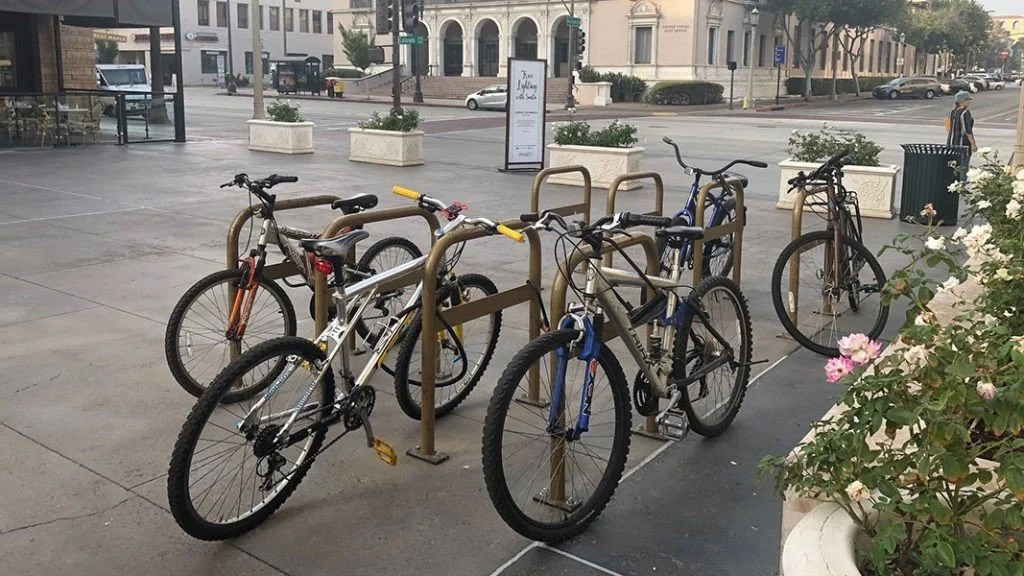
RISS will maintain a resident bicycle fleet.
Residents may also have the opportunity to purchase bicycles for personal use.
Because RISS includes a bicycle repair and renovation shop, residents with personal bicycles will be able to use that shop for maintenance and repair support, subject to campus rules and shop availability.
This creates another practical transportation layer while also connecting transportation to workforce training, personal responsibility, and daily independence.
Pathway to Vehicle Ownership
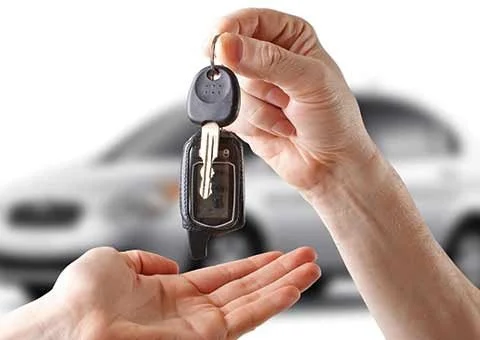
For many residents, long-term independence will eventually require access to a personal vehicle.
RISS will maintain a small inventory of approximately four to six running vehicles to help create a structured pathway to resident vehicle ownership.
These vehicles will not be luxury vehicles. They will be practical, functional transportation. The maximum cost will not exceed $3,500.
Eligibility will require:
A minimum period of residence.
A minimum savings amount or down payment.
A matching financial contribution.
A clear understanding that the vehicle runs at the time of purchase, but additional repairs after purchase will be the responsibility of the resident.
The purpose is not simply to hand someone a car. The purpose is to help residents move toward ownership in a structured, responsible way.
Resident Vehicle Support
The campus parking lot will include basic vehicle care stations, including:
Window washing.
Air refill.
Vacuuming.
There will also be two car washing bays and two mechanic bays available for resident use.
This matters because transportation stability does not end with getting a vehicle. A resident also has to learn how to maintain it, care for it, budget for it, and treat it as part of their stability plan.
Transportation as Stability Infrastructure
Transportation affects almost every part of reentry.
Employment.
Parole.
Classes.
Medical care.
Mental health care.
Shopping.
Family responsibilities.
Community reintegration.
When transportation fails, everything else becomes harder.
RISS is designed around the reality that people cannot rebuild their lives if they cannot reliably get where they need to go.
That is why transportation is not treated as a side service here.
It is infrastructure.
If you believe reintegration should be built intentionally, not reactively, we invite you to explore how you can help bring the RISS model to life.