The Commons
The Commons is the emotional center of the RISS campus.
It is intentionally designed as a place to slow down, decompress, reconnect, and simply exist outside of crisis, obligation, schedules, and pressure.
For many people returning from incarceration or unstable living situations, relaxation has often been reduced to isolation, distraction, or survival. The Commons is designed around a different idea: that peace, reflection, healthy social interaction, and quiet personal space are all part of rebuilding stability.
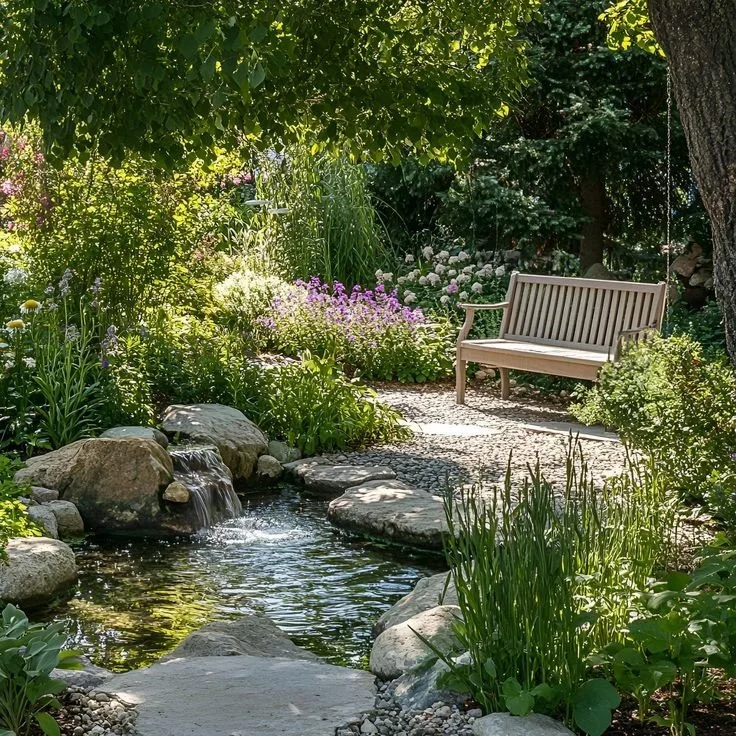
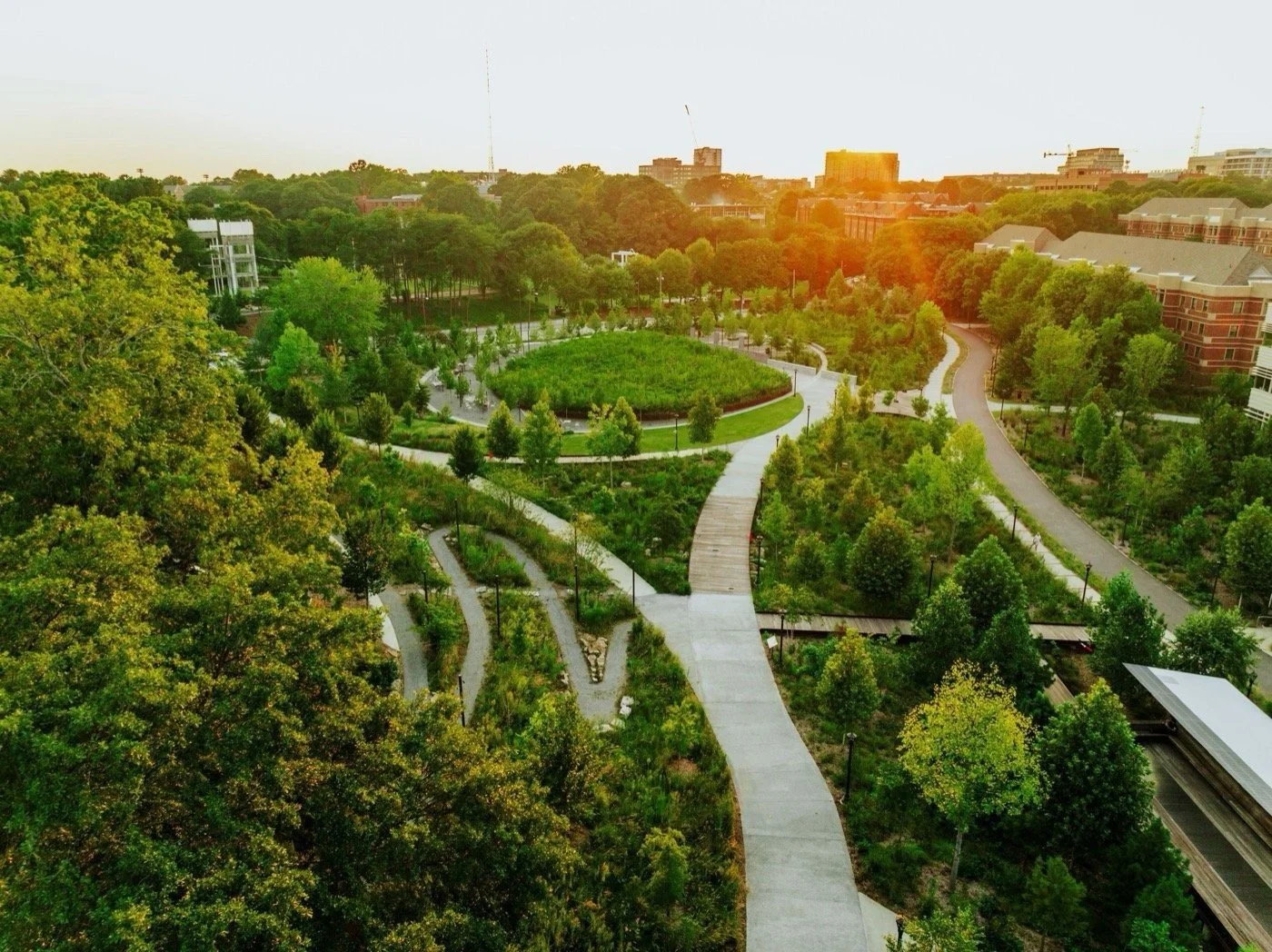
The Commons is not a single open field or courtyard. It is a network of intentionally designed outdoor environments connected through flowing pathways, layered landscaping, water features, shaded seating areas, and small gathering spaces. Some spaces are designed for conversation and community. Others are designed for solitude, reflection, reading, or simply sitting quietly outdoors.
Throughout the Commons, residents, staff, volunteers, and guests will find:
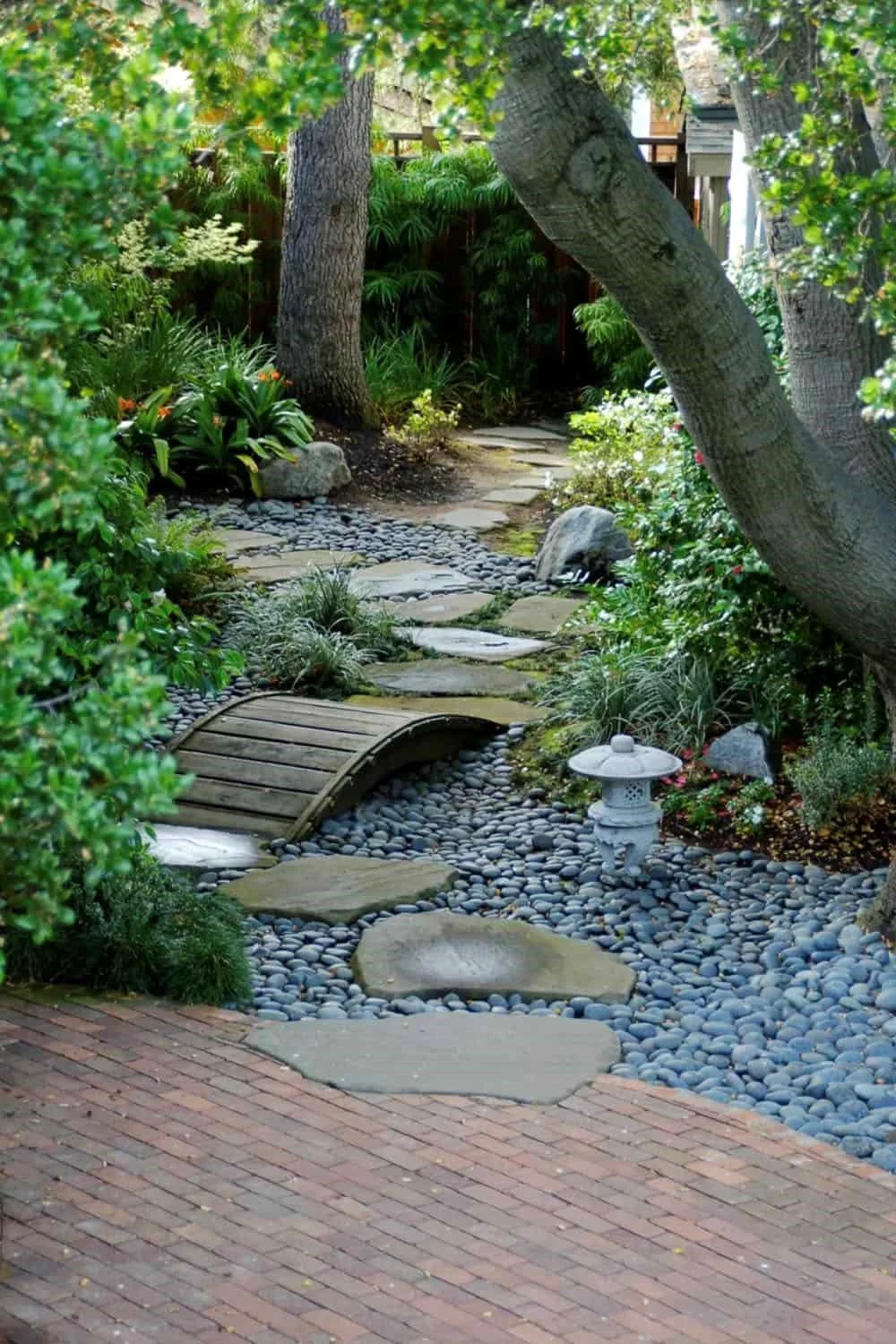
Curving pedestrian pathways with softer walking surfaces designed to encourage slower movement and reduce the institutional feel of hard concrete corridors
Multiple fire pit gathering areas ranging from larger communal seating spaces to smaller, quieter areas for intimate conversation
Purpose-built pond and fountain areas with circulating water features designed to create calm through sound and movement
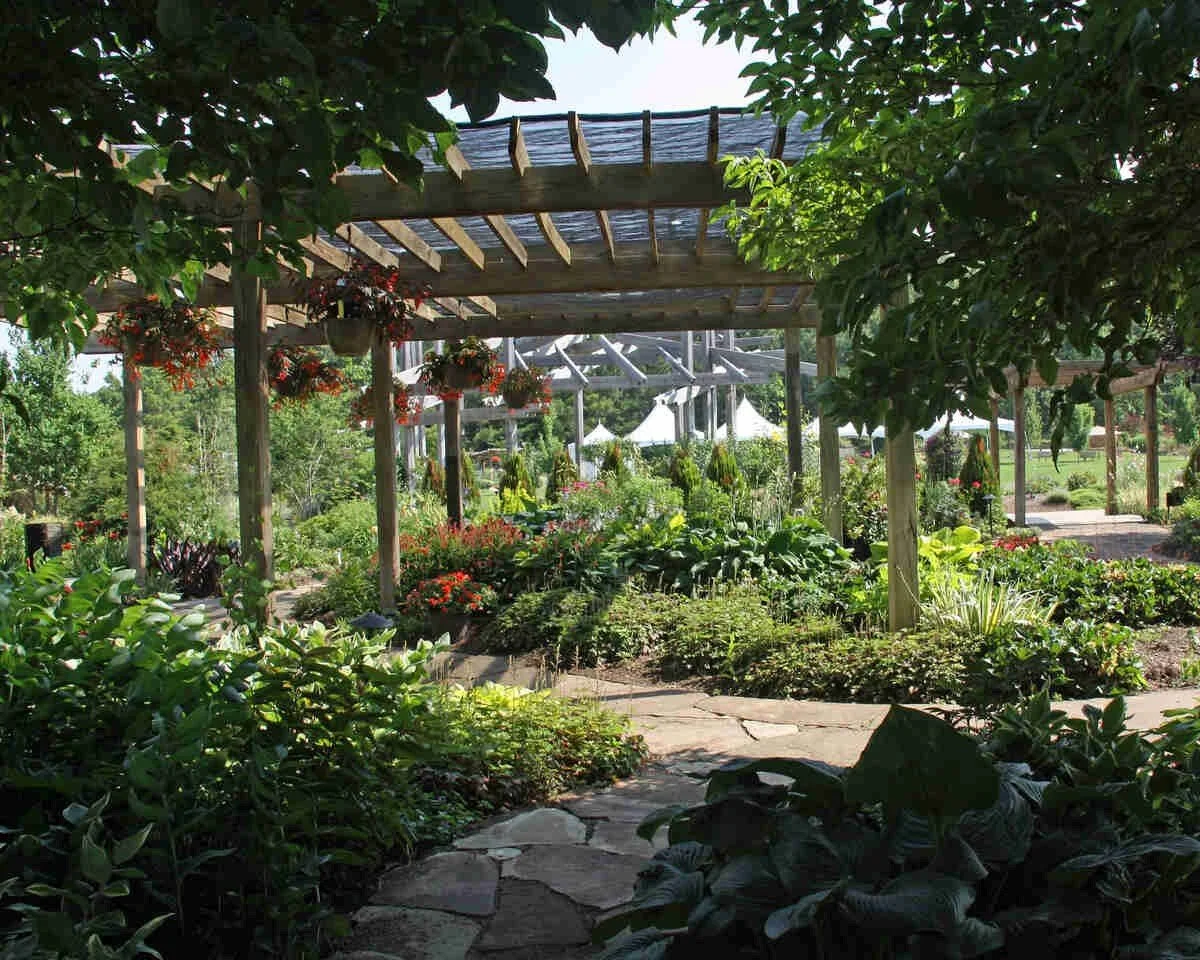
Hammock spaces and shaded seating zones intentionally separated from higher-energy activity areas
Landscaped transitional spaces connecting the Commons to the Outdoor Life Area, dining facilities, educational facilities, and residential areas
Layered landscaping using ornamental grasses, flowering perennials, shade trees, fruit and nut trees, and low-water plantings selected specifically for comfort, durability, and long-term sustainability
A central signature fountain serving as both a visual landmark and a symbolic reminder that the campus is intentionally designed around dignity, stability, and restoration
The landscaping throughout the Commons and surrounding campus is not decorative filler. It is part of the environment itself. Shade, sound, movement, texture, color, seasonal changes, and access to quiet outdoor space all contribute to emotional regulation, decompression, and overall well-being.
The design intentionally avoids both sterile institutional landscaping and overly manicured “showpiece” aesthetics. Instead, the goal is a campus that feels alive, grounded, human, and comfortable.
The Commons also connects directly to the residential pod areas through individual pathways rather than large shared corridors. Each residential pod pair maintains its own sense of space and separation while still remaining connected to the larger campus community. Courtyard spaces, water features, shaded landscaping, and outdoor seating areas surrounding the residential areas reinforce this balance between privacy and connection.
Importantly, relaxation at RISS is not treated as something that only happens indoors. The campus is intentionally designed to support decompression through outdoor environments as well as indoor spaces like the library, recreation areas, Spiritual Life Center, and media spaces.
The Commons is designed to support both community and individuality at the same time.
Some residents may gather around a fire pit with friends and family. Others may walk the perimeter trail at sunrise, sit quietly beside a fountain, rest in a hammock, or simply spend time outdoors away from noise and pressure.
That flexibility is intentional.
Because rebuilding stability is not only about work, classes, appointments, and obligations. It is also about relearning how to exist in peaceful, healthy environments again.
If you believe reintegration should be built intentionally, not reactively, we invite you to explore how you can help bring the RISS model to life.