Mentoring
One of the greatest barriers many people face after incarceration is not simply employment, transportation, or housing. It is disconnection.
Years of instability, incarceration, institutionalization, addiction, trauma, fractured relationships, and survival-focused environments can leave people disconnected from healthy community relationships and ordinary social life. Reentry is not only about finding work or a place to sleep. It is also about rebuilding trust, communication, confidence, and connection.
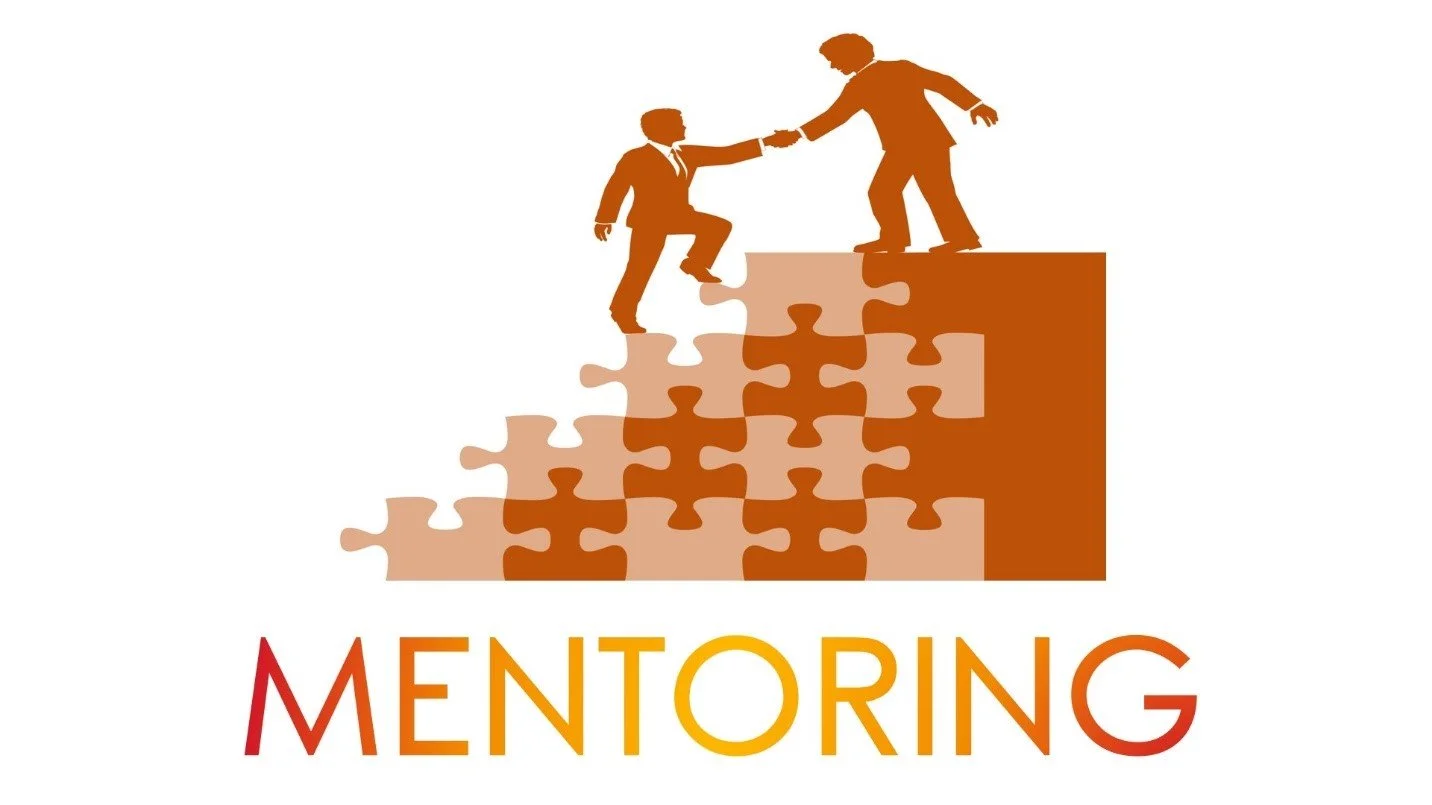
The RISS Volunteer Mentor Program exists to help create those connections.
Volunteer mentors are not counselors, case managers, financial sponsors, or authority figures. They are community members willing to consistently show up, build healthy relationships, and help residents reconnect to stable community life through conversation, encouragement, accountability, and shared experiences.
For some residents, a mentor may become an important source of perspective and encouragement during difficult transitions. For others, mentorship may simply provide a healthy outside connection and an opportunity to engage with someone beyond staff, schedules, and institutional systems.
Mentorship at RISS is always voluntary.
Residents are never required to have a mentor, and participation is available only upon request.
What Mentors Do
Mentors may:
Meet residents for coffee or meals
Attend campus events or community activities
Provide encouragement and perspective
Discuss life goals, relationships, communication, or challenges
Help residents think through decisions and long-term planning
Share professional experience and employment guidance
Assist with interview preparation, resumes, or networking
Help residents become more comfortable engaging with the broader community
Serve as a stable, positive point of connection outside of formal systems
Sometimes the greatest value of mentorship is not advice, but consistency.
A mentor who shows up reliably, communicates respectfully, listens without judgment, and models healthy adult interaction can have a significant impact on someone rebuilding stability and confidence after incarceration.
What Mentors Are Not
Mentors are not:
Therapists or counselors
Financial providers
Employers or landlords
Emergency support systems
Romantic partners
Authority figures or disciplinarians
Replacement family members
“Rescuers” responsible for fixing someone’s life
The goal of mentorship is not dependency. The goal is healthy connection, encouragement, accountability, and community integration.
RISS maintains clear boundaries to protect both residents and mentors.
Mentors may not:
Provide loans or direct financial assistance
Purchase requested personal items for residents
Enter into business arrangements with residents
Engage in romantic or sexual relationships with residents
Create living arrangements outside approved RISS processes
Attempt to replace or override staff systems and procedures
Mentor Matching
Mentorship relationships are carefully matched based on personality, interests, communication style, and goals whenever possible.
Not every mentor pairing will be the right fit, and reassignment requests may be made by either the resident or mentor without stigma or penalty.
Healthy mentorship requires mutual comfort, trust, and communication.
Mentor Preparation and Oversight
All mentors receive orientation and training regarding:
Healthy boundaries
Resident autonomy
Communication expectations
Trauma and institutionalization awareness
Dependency and manipulation concerns
Campus policies and reporting procedures
Appropriate mentor-resident relationships
Mentorship relationships remain voluntary, structured, and supervised to ensure the safety and well-being of both residents and volunteers.
A Community-Based Approach to Reentry
The RISS mentorship model reflects our broader belief that reentry is not solved through isolation, surveillance, or temporary programming alone.
People rebuild stability through environment, opportunity, accountability, structure, and healthy human connection.
The Volunteer Mentor Program is one small but important part of helping residents reconnect with ordinary community life in healthy, sustainable ways.
If being a mentor is something you may be interested in when RISS launches our campus, please reach out to us at volunteer@risscommunity.org
If you believe reintegration should be built intentionally, not reactively, we invite you to explore how you can help bring the RISS model to life.