Housing
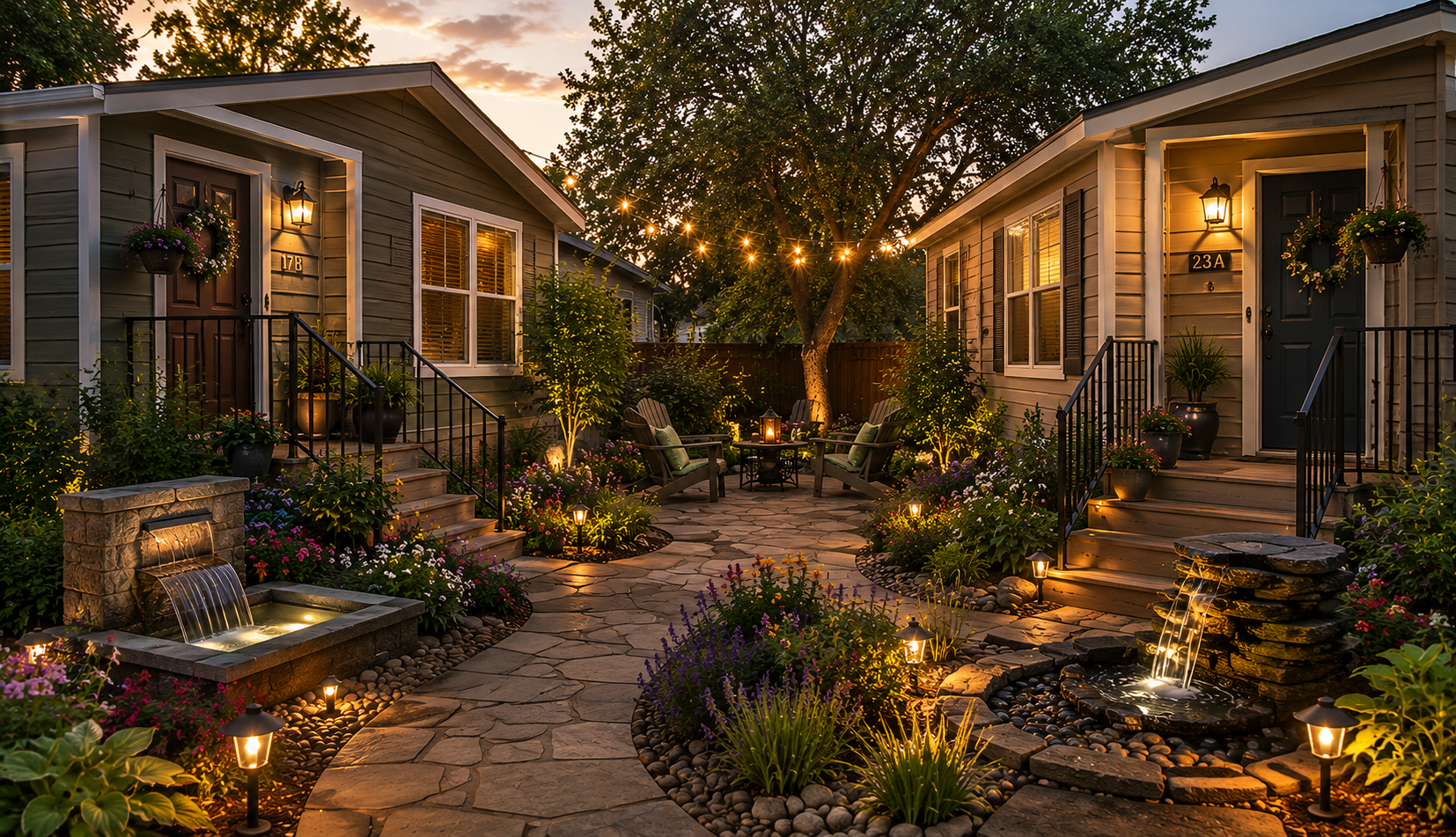
Housing is not a secondary part of reentry.
It is the starting point.
Most reentry models treat housing as a placement—find a bed, assign a room, meet a requirement. But housing is not just where someone sleeps. It is the environment they wake up in, the space they return to at the end of the day, and the place where routine, stability, and personal responsibility either begin to form or continue to break down.
RISS approaches housing as infrastructure.
If the environment is wrong, everything built on top of it is unstable. If the environment is right, it becomes the foundation everything else can grow from.
The Single-Room Standard
Private rooms are a non-negotiable part of the RISS housing model.
This is a direct response to the reality most residents are coming out of.
Incarceration is defined by a lack of personal space. Privacy is limited. Living areas are shared. Movement is controlled. There is no place to step away, reset, or think without interruption. That environment does not just affect comfort—it affects behavior, decision-making, stress levels, and how individuals interact with others.
When people move directly from that environment into shared or unstable housing, those same pressures continue.
RISS breaks that pattern.
Each resident has a private room. That space belongs to them. It provides a place to rest, decompress, organize, think, and begin establishing routine. It gives them control over their immediate environment for the first time in a long time.
This is not about comfort as a luxury. It is about stability as a requirement.
Ready From Day One
Housing at RISS is prepared before the resident arrives.
Rooms are fully set up with core furnishings and essential household items. Residents are not left trying to figure out where they will sleep, how they will get bedding, or how they will manage basic needs in their first hours or days.
That matters.
The first moments after arrival set the tone for everything that follows. Instead of confusion, delay, or inconsistency, the environment is ready. The message is simple: this was prepared for you.
Residents are also given limited, structured options to personalize their space. This allows for ownership and identity without losing consistency or order across the housing environment.
Structure and Responsibility
Housing at RISS is stable, but it is not passive.
Residents are expected to maintain their rooms, respect shared areas, and take responsibility for their living environment. That expectation is part of the design.
Stability and accountability are not separate ideas. They work together.
Without stability, expectations become unrealistic.
Without expectations, stability turns into stagnation.
RISS housing is built to support both.
A Different Starting Point
For many people, reentry begins with uncertainty—where to go, where to sleep, what conditions they will be walking into.
RISS removes that uncertainty.
A private room.
A prepared space.
A consistent standard.
Not temporary placement.
Not overcrowded housing.
Not another version of the environment someone just left.
Housing is the first environment a resident can control.
That is where stability begins.
If you believe reintegration should be built intentionally, not reactively, we invite you to explore how you can help bring the RISS model to life.