Digital Production Studio
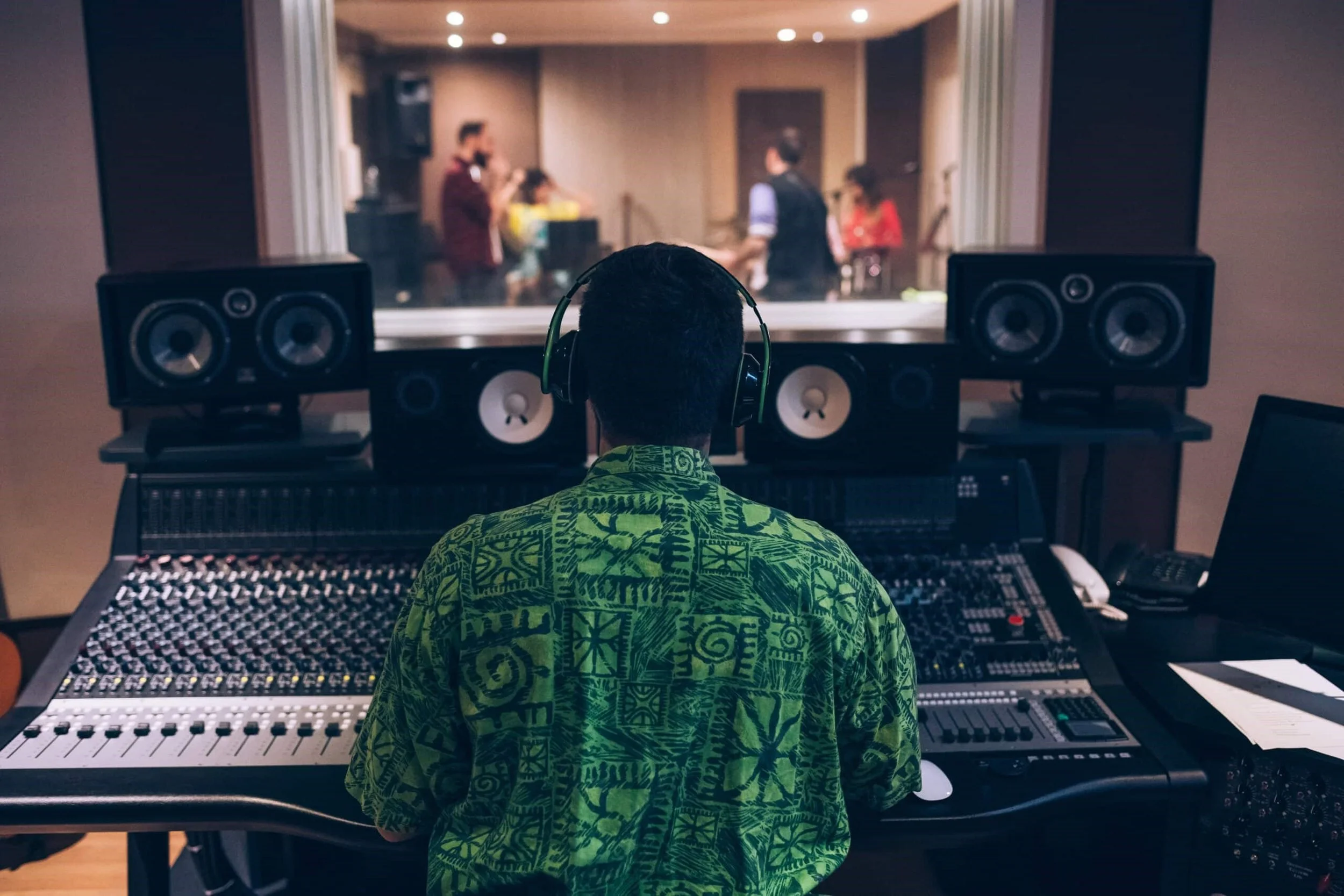
The Digital & Music Production Studio is RISS’s dedicated space for media creation, recording, storytelling, and hands-on digital skill development.
Located inside the Education and Fine Arts Building, the studio supports in-house content production, resident creative development, workforce preparation, and limited third-party use by community partners. It is designed for practical, real-world production: podcasting, video recording, music recording, audio editing, digital storytelling, social media content, educational media, lectures, interviews, and resident-led creative projects.
This studio is part of RISS’s larger belief that residents are not only people rebuilding their lives — they are also thinkers, creators, communicators, artists, and professionals.
What the Studio Supports
The studio provides space and equipment for:
Podcast and interview recording
Music recording and basic audio production
Video and social media content
Educational and training materials
Recorded lectures, presentations, and discussions
Resident creative projects
RISS communications, public education, and storytelling
Community partner projects when appropriate
The digital production function also connects directly to the broader RISS media, publication, and public storytelling systems, including video, podcasts, social media, digital publishing, recorded lectures, educational content, and resident media training.
In-House Production
RISS uses the studio to produce its own materials: public education videos, interviews, presentations, social media content, podcasts, resident stories, course-related media, and organizational communications.
This matters because RISS is not only providing services on campus. RISS is also building a public voice, an educational platform, and a long-term communication system around reentry, restoration, public understanding, and institutional change.
Workforce and Skill Development
The studio gives residents exposure to practical digital and creative skills, including:
Audio production
Video production
Recording setup
Editing
Lighting
Basic camera work
Podcast production
Digital storytelling
Content planning
Social media production
Graphic and digital media support
These are real skills that connect to real work environments. The studio is not a hobby room. It is a creative and technical learning environment.
Resident Creative Use
Residents may also use the studio for appropriate personal creative projects under established scheduling, supervision, and use policies. Full personal-use rules will be addressed separately in the Resident Handbook.
The purpose is simple: people rebuilding their lives should also have access to tools that help them express, learn, create, and develop new professional possibilities.
Community and Partner Use
When appropriate, the studio may also be available to outside organizations, churches, civic groups, and community partners for recording, media, or production-related needs. That outside use will be structured so it does not interfere with RISS operations, resident access, or the educational purpose of the space.
Why It Matters
The Digital & Music Production Studio helps residents move from being spoken about to being able to speak, create, record, produce, and participate in the public conversation.
It supports workforce development, creativity, institutional storytelling, community engagement, and personal expression in one place.
The Creator Economy and Digital Workforce
The way people work is changing.
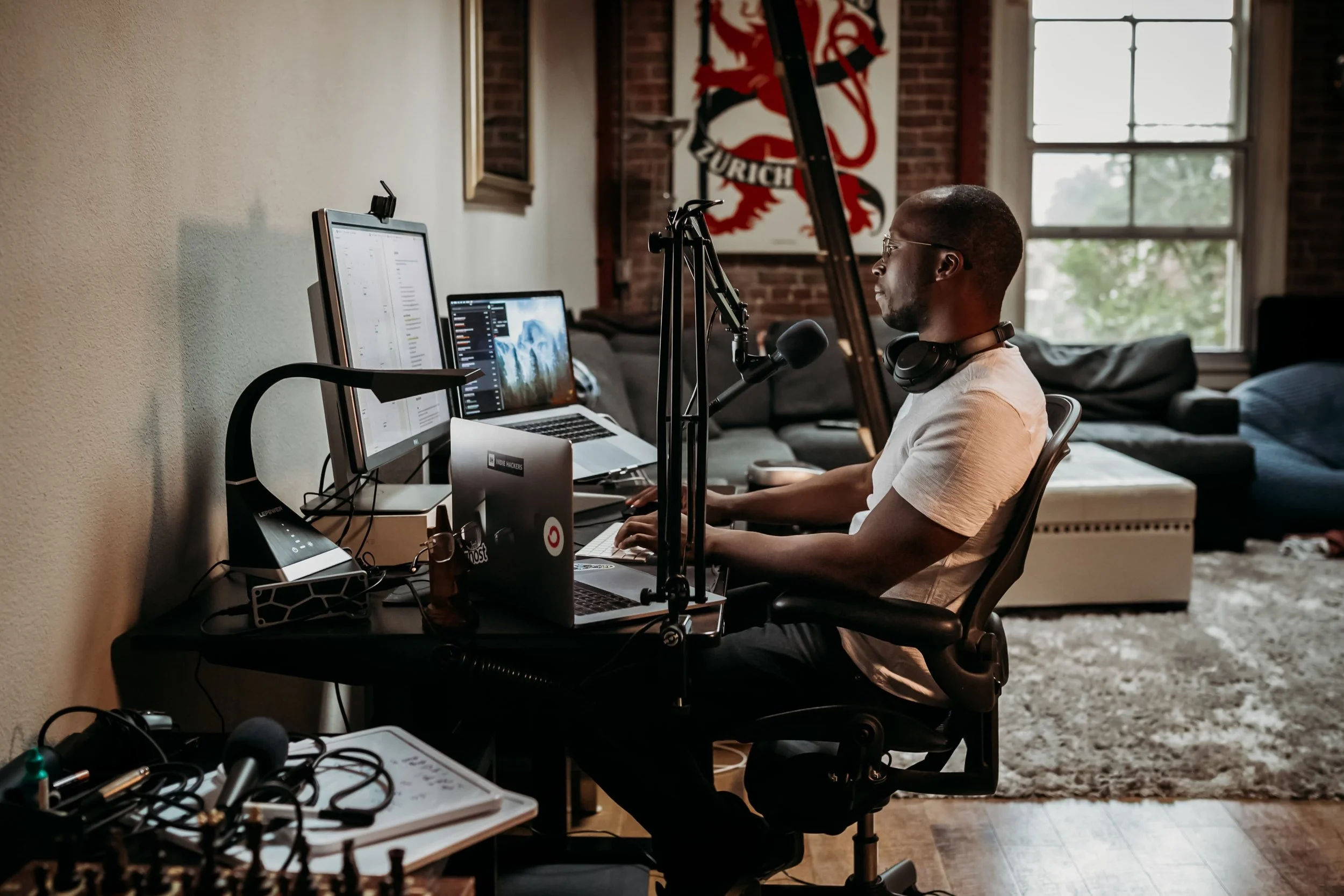
Over the last decade, digital media, online publishing, podcasting, video production, content creation, social media management, digital marketing, and independent online businesses have become significant sectors of the modern economy. Millions of people now earn income through creative, educational, technical, and communication-based work that is produced and distributed online.
For many organizations, businesses, nonprofits, churches, and community groups, digital communication is no longer optional. Websites, podcasts, social media content, video production, online education, marketing materials, and digital storytelling have become essential parts of daily operations.
Yet many workforce development programs continue to focus almost exclusively on traditional trades and employment pathways.
Those opportunities remain important, but they are no longer the only opportunities.
The Digital & Music Production Studio recognizes that modern workforce development must also include digital skills, media production, communication, and content creation. Residents who develop these skills may pursue employment with existing organizations, freelance opportunities, entrepreneurial ventures, independent creative projects, or roles supporting businesses and nonprofits that increasingly rely on digital communication.
Not every resident will become a content creator, podcaster, musician, videographer, or media professional. That is not the goal.
The goal is to ensure that residents have access to the same emerging opportunities that exist throughout the broader economy.
Excluding digital media and creative production from workforce development means excluding residents from one of the fastest-growing and most accessible sectors of modern work.
RISS believes workforce development should prepare people for the economy that exists today, not the economy that existed twenty years ago.
If you believe reintegration should be built intentionally, not reactively, we invite you to explore how you can help bring the RISS model to life.